Lean & standard work
Getting started with standard work instructions for fabrication
· Updated · 5 min read
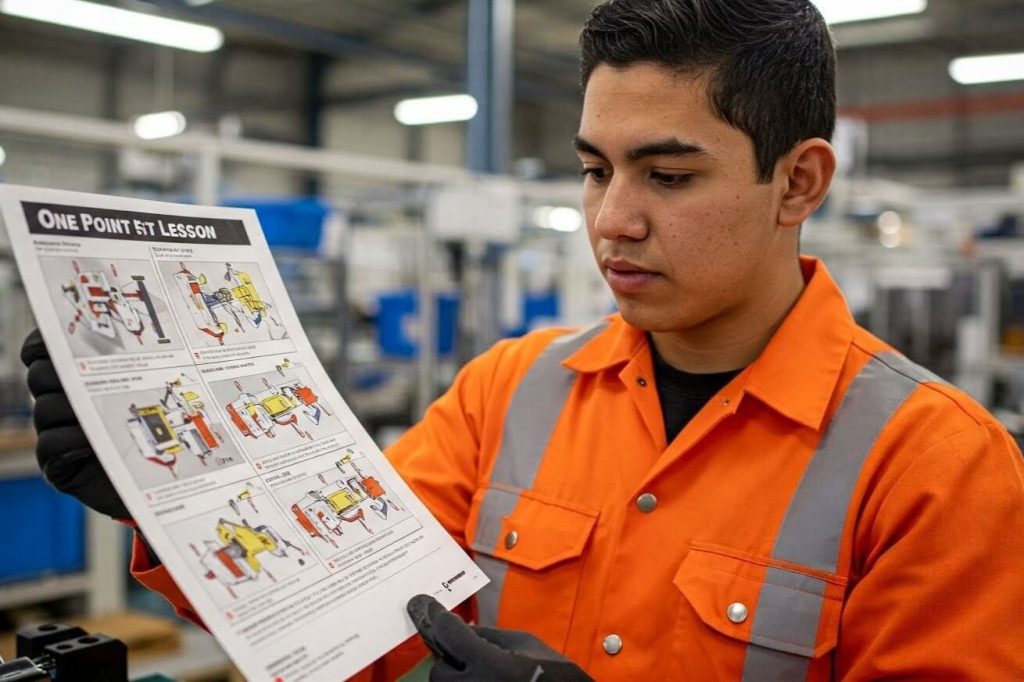
Standardised Work Instructions (SWI) are instructions designed to ensure that your manufacturing processes are consistent, timely, and repeatable. Often the standard work instructions are printed and posted near the operator’s work station. Standard work is a written description of the safest, most efficient, and highest-quality method to perform a given task or process. But can you also use standard work instructions in fabrication environments, where metal is cut, bent, machined and welded into parts and assemblies?
Standard work instructions for fabricating standardised items
In fabricating environments where the same part or assembly is being made over and over, assembling good work instructions is straightforward. The position identified and estimated time required to complete the work elements are included. The most efficient work routine or steps needed to complete the job are included. Also, include the description of the quality checks to ensure the work was done correctly before sending the part or assembly to the next step of the process.
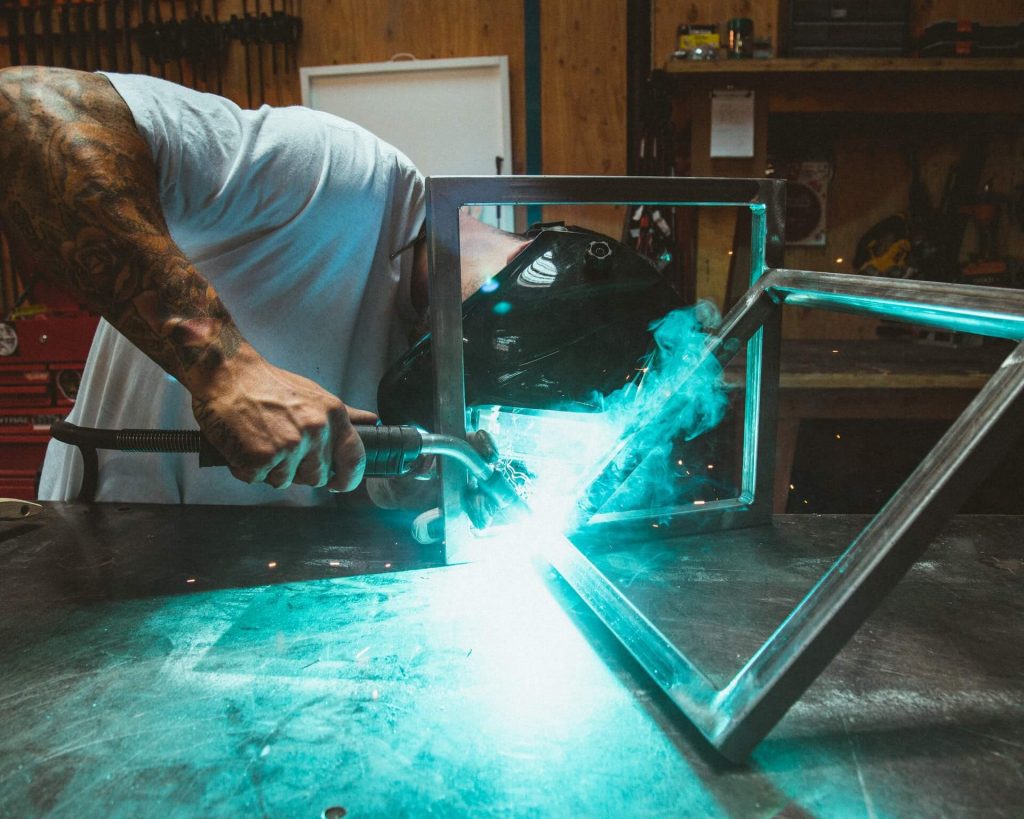
What about in a low volume manufacturing environment?
Fabricators that make high-mix, low-volume products may scoff at the idea of standard work instructions. They might argue that every part is different, with little or no consistency in the type of parts or the quality requirements from one customer to the next. That may be true, but that doesn’t prevent work instructions from containing valuable guidance that can assist with continuous improvement efforts.
When looking to refine standard work instructions for a high-mix, low-volume manufacturing environment, the shop manager should first focus on those activities that have little to no variation from job to job. These instructions might cover routine machine maintenance and gauge and tool calibration.
From a quality perspective, the operator can be directed to inspect material thoroughly before beginning a task and then conduct a final inspection at the end of the job. This step shouldn’t be summarised in just one sentence. It should be expanded upon to answer questions about how often the inspection is done and where the findings are recorded once the inspection takes place.
In addition, the steps required for discrepant parts should be well documented, including how to document nonconformances or corrective actions.
A high-mix example: laser-cut and bent brackets
Take a job shop that laser-cuts and bends steel brackets for dozens of customers. Every part number is different, but the routine is the same: load the sheet, select the cutting program, check the first part against the drawing, set up the press brake, bend, deburr, inspect and label.
Split the instructions in two:
- One standard instruction for the shared routine: press brake setup, first-piece check, deburring, labelling and what to do with a nonconforming part. Written once, trained once.
- A short setup sheet per part number: program name and revision, material, press brake tooling, bend sequence, critical dimensions and a photo of the finished part.
A new part then needs a new setup sheet, not a new instruction.
Setup sheets for CNC machining
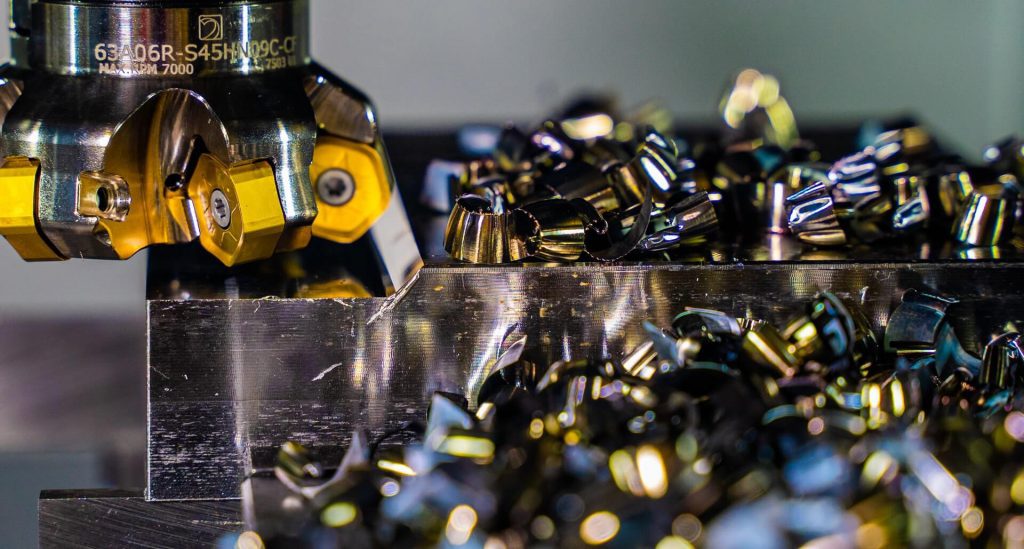
In machining, one of the most overlooked parts of standard work is the hand-off from the CNC programmer to the machine. The CNC programmer reads the drawing or CAD model, writes the program in the CAM system and chooses the tools and cutting parameters. The CNC operator or setter loads the tools, mounts the fixture and part, sets the work offsets, runs the program and checks the parts. The setup sheet is what connects the two. A good one contains:
- A tool table with every required tool: tool number, type, size, holder and stick-out. The tool manager uses it to prepare and load the tools; if cutting times are long, sister tools may need to be prepared too.
- An operation list in sequence, including the non-cutting operations such as chip removal, gauge checks or turning the part over, so the operator knows what will need attention.
- Setup photos of the fixture, part orientation, zero point and clamping. A clear photo of the correct setup answers most of the questions a setter would otherwise ask.
- The program name and revision, material and first-piece checks.
The more detail the setup sheet gives, the less time the setter spends working things out at a stopped machine. There is a trade-off between detail and the effort it takes to create the sheet, so the easier it is to create, the more detail gets included.
Conclusion
Even a high-mix environment might have some opportunity for development of standard work instructions that actually detail manufacturing steps. The key is identifying “repeaters” or “runners,” those parts or assemblies that are similar in design and come through the shop on a regular basis. Those types of jobs often will have similar work steps, and their work instructions will be similar as well. When management creates detailed work instructions for what seems to be a one-and-done job, it is actually investing in a quality approach for all work because the same standard work instructions will apply to similar jobs.
Again, this is in line with the thinking that these types of documents should be used to maintain quality and eliminate waste in production. Without a critical look at parts/assemblies and the work processes tied to them, job shops can’t expect work instructions to have an impact on quality. In the end, standard work instructions can be refined to become not only an information document but a continuous improvement tool. The goal is to help the employee do the best job in the most efficient way possible.
Where REWO fits
In REWO, the shared routine and each setup sheet can be a guide built from photos and short videos, opened from a QR code on the job traveller or from a work order in the MES. When a setup changes, the updated version is approved once and replaces the old one at every machine.
Read next: REWO for metals · Work instructions for high-mix assembly · How to reduce changeover times